

Be Kind to Yourself: It's Never Too Late to Start Moving Again
Maybe you used to walk every morning, play golf on Saturdays, or lift things without a second thought. Then life happened. An illness, a busy few years, caring for someone, a move, a fall, or just the slow drift of routine. And now it's been a while.
If that sounds familiar, you're far from alone. And it's okay.
It's never too late to start
Most people we speak with were very active, or at least somewhat active, at some point in their lives. For all sorts of reasons, they haven't been for a while. That isn't a failure. It's just where you're starting from.
It's never too late to find a positive routine. Australia's movement guidelines for older adults suggest starting with modest amounts and building up gradually, and they make the point that every bit of activity counts. NSW Government advice for older adults suggests beginning with around 10 minutes a day.
Sources: Australian Government Department of Health, Disability and Ageing, Australian 24-Hour Movement Guidelines: recommendations for older adults (65 years and over), 2025; NSW Government, Physical activity guidelines for older adults.
Start where you are, not where you were
Perhaps you used to lift heavier, walk further or move faster. That's fine. Your starting point today is what matters, not your best from twenty years ago.
- Start light, or with no weights at all. Standing up from a chair, heel raises at the kitchen bench, or arm raises while seated are a great place to begin.
- Half a kilo is a real starting weight. In our sessions it's common for a half-kilo weight to feel like a challenge, and that's exactly why we use it.
- Go slowly. A little, often, beats a lot, once.
- Don't be embarrassed, and don't put pressure on yourself. What matters is that you're moving more than you were.
When family want you to do more
Sometimes the pressure comes from the people who love us. "You should be walking more." "Have you done your exercises?" It usually comes from a place of love and concern, and that's fair enough.
It can still feel like a lot. A few ideas that can help everyone:
For you:
- Tell them what feels realistic right now, and what you'd like to build up to.
- Pick one small thing and do it consistently, rather than everything at once.
For family:
- Ask what they'd enjoy, rather than what they "should" do.
- Join in. A walk together is often easier to say yes to than a walk alone.
- Notice the effort, not the numbers.
You don't need a gym
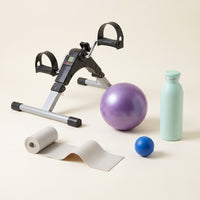
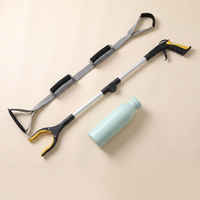
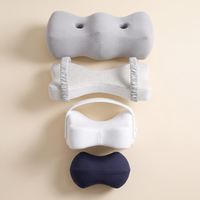
That's the thinking behind how we work. We use simple, everyday equipment that stores easily in a drawer or beside your chair, because you don't need a gym or complicated gear to get going.
What you need is the right tools, a bit of guidance, a bit of fun, and some consistency. That's more than enough.
Our physio's take
Be kind to yourself. It doesn't matter where you're starting from or what you used to be able to do. What matters is that you're moving more. Start light, keep it simple, and do it consistently. That's what keeps you going.
Patrick Sikombe, DPT, BSc
Physiotherapist & Founder
Tools that can help
You don't need any equipment to start. If you'd like something light and simple:

The Sculpt Dumbbell
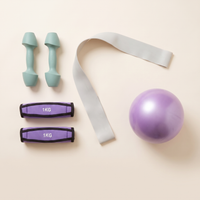
- The Sculpt Dumbbell, 0.5kg pair ($129): light enough to begin with, and good-looking enough to leave out where you'll see it. It also comes in 0.9kg and 1.4kg for when you're ready.
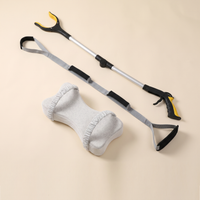
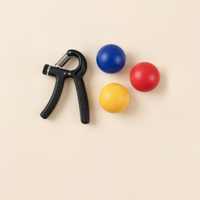
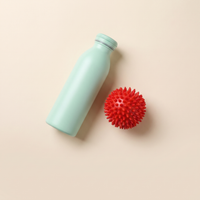
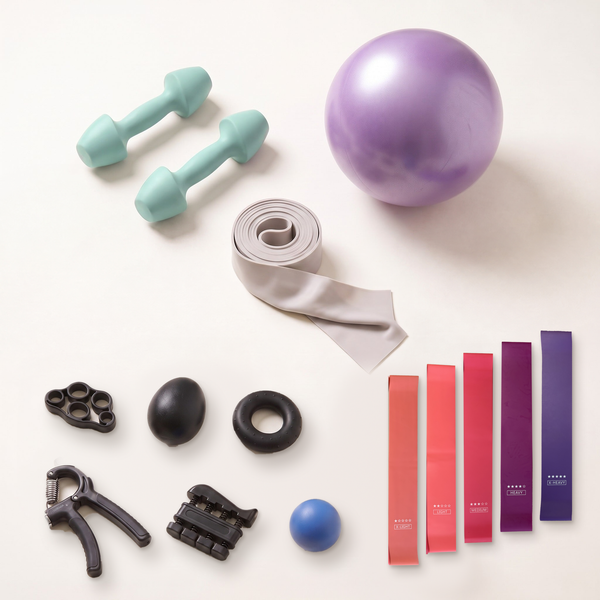
- The Strength Kit ($299): a light pair of Sculpt Dumbbells, a long resistance band, grip tools and a mini exercise ball, all used seated, with a getting-started guide. Suits anyone who wants a complete, gentle starting point.
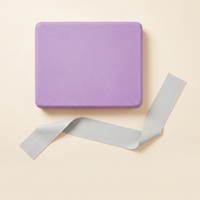
- Long Resistance Band ($40): a heavier resistance for when the light weights start to feel easy.
Skip the equipment for now if chair stands and a daily walk already feel like enough. They are enough.
Getting started safely
- Speak with your GP first, especially if you have a health condition or haven't been active for a while.
- Start small and build up gradually.
- Stop and seek advice if you feel pain, dizziness, chest discomfort or unusual shortness of breath.
Where to find more help
- healthdirect: 1800 022 222
- Active and Healthy (NSW): programs and a directory of activities for older adults
- My Aged Care: local programs and support services
Keep reading
- Moving More After 65: What the Guidelines Say, and How to Start
- Staying Steady at Home: 5 Practical Falls Prevention Tips
- Shop Strength & Movement
This article is general information only and is not a substitute for professional health or medical advice. Individual circumstances vary. Please speak with your GP or a qualified health professional before starting a new exercise routine.