

Staying Steady at Home: 5 Practical Falls Prevention Tips
Staying steady isn't only about being careful. It's built from small, practical things: how your home is set up, what's on your feet, and how strong and steady your legs are. Here are five that are worth doing, whatever your age.
1. Set up your home
- Keep walkways clear of clutter, cords and loose rugs.
- Add night lights in the hallway, bedroom and bathroom.
- Keep everyday items between waist and shoulder height, so you're not stretching up or bending down.
- Consider grab rails by the toilet, in the shower and on stairs.
2. Check what's on your feet
Look for well-fitting shoes with a firm, non-slip sole and a closed heel. Walking in socks on hard floors, or in loose slippers, is best avoided.
3. Keep your strength and balance up
Australia's 24-Hour Movement Guidelines for people 65 and over suggest muscle-strengthening activities on 2 or more days a week, and activities for mobility, balance and coordination on 3 or more days a week (Australian Government Department of Health, Disability and Ageing, 2025). A simple place to start is the kitchen bench: hold on, and try heel raises, or standing with your feet closer together.

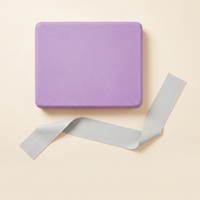
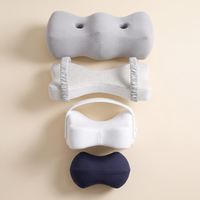
A balance pad adds a soft, unsteady surface once bench work feels easy.
4. Review your medications
Some medications can cause dizziness or affect balance. If you've felt light-headed or unsteady, ask your GP or pharmacist about a medication review.
5. Check your eyes and feet, and get assessed
Regular eye checks and foot care both play a part in staying steady. Your GP or a physiotherapist can also look at your strength, balance and walking, and point you to programs near you.
What is balance, really?
Most people think of balance as something that happens in the feet. It's actually a team effort: your eyes, your inner ear, the feeling in your feet, and the strength in your ankles, hips and core all work together. That's why balance can be practised, and why strength work is part of it.
Our physio's take
The simple stuff, done consistently, is what keeps you steady. A few minutes at the kitchen bench most days is a better plan than an ambitious one you don't stick to.
Patrick Sikombe, DPT, BSc
Physiotherapist & Founder
Tools that can help
- Balance Pad ($89): a soft, unstable surface for practising standing balance, used while holding a bench or a sturdy chair.
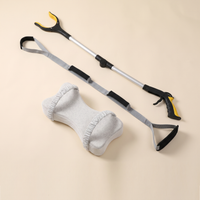
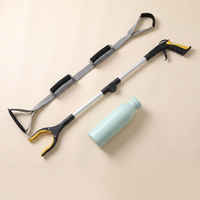
- Balance & Independence Kit ($209): the balance pad, a Triple Grip Leg Lifter and a Foldable Long Reach Grabber, so you're not stretching or bending for things.

The Balance & Independence Kit
Skip the pad for now if standing without holding on doesn't yet feel comfortable. Start with bench exercises and ask your physio when to progress.
Where to find more help
- healthdirect: 1800 022 222
- Active and Healthy (NSW): falls prevention and activity programs for older adults
- My Aged Care: home support and home modifications
In Sydney and would like support at home? We visit older adults one on one. Find out more.
Keep reading
- Moving More After 65: What the Guidelines Say, and How to Start
- What Is a Leg Lifter, and How Can It Help?
- Shop Balance & Steadiness
This article is general information only and is not a substitute for professional health or medical advice. Individual circumstances vary. Please speak with your GP or a qualified health professional before starting new exercises or making changes to your health.