

Moving More After 65: What the Guidelines Say, and How to Start
You've probably heard that staying active matters. The harder part is knowing how much, what kind, and where to start. Here's what Australia's guidelines actually say, in plain English, and some simple ways to fit them into an ordinary week.
What the guidelines say
Australia's 24-Hour Movement Guidelines for older adults (65 and over) suggest:
- 30 minutes or more of moderate activity on most days, adding up to at least 2.5 hours a week. It doesn't have to happen all at once.
- Muscle-strengthening activities on 2 or more days a week, working all the main muscle groups.
- Activities for mobility, balance and coordination on 3 or more days a week.
- Several hours of light activity across the day, like pottering around the house, gardening or a gentle stroll.
- Sitting less, and breaking up long periods of sitting as often as you can.
- 7 to 8 hours of good quality sleep, with regular bed and wake-up times.
The guidelines also suggest starting with modest amounts and building up gradually, and that every bit of activity counts towards the total.
Source: Australian Government Department of Health, Disability and Ageing, Australian 24-Hour Movement Guidelines: recommendations for older adults (65 years and over), 2025. See also NSW Government, Physical activity guidelines for older adults.
Making sense of it
"Moderate" means you're breathing a little harder but can still hold a conversation. "Muscle-strengthening" doesn't mean a gym. Standing up from a chair, pressing a resistance band, or lifting a light weight while seated all count. "Light activity" is simply time on your feet rather than in a chair.

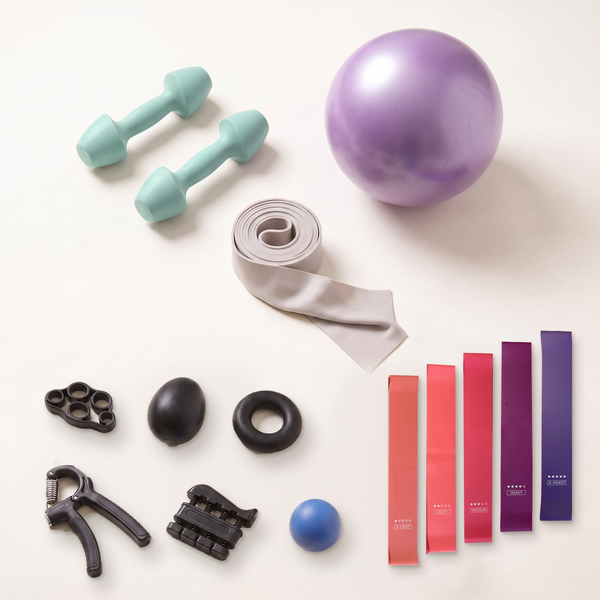
A resistance band is one of the simplest ways to do strength work sitting down.
An ordinary week could look like this:
- A walk to the shops or around the block most mornings
- Standing up from a chair a few times during the TV ad breaks
- Ten minutes of pedalling while the news is on
- Heel-to-toe walking along the hallway, one hand on the wall, three days a week
- Getting up to potter in the garden or kitchen between long sits
Why it matters
As we get older, muscle strength, balance and flexibility naturally change. Regular activity may help support:
- The strength for everyday jobs, like carrying the shopping and managing stairs
- Feeling steady on your feet
- Heart health and general fitness
- Mood, sleep and wellbeing
- Doing the things you want to do, independently
Five simple ways to start
- Walk. If you do nothing else, go for a walk. It's free, it needs no equipment, and it counts.
- Practise standing up from a chair. Feet slightly back, lean forward, and stand up slowly. Sit back down with control.
- Use a resistance band. Many band exercises can be done sitting down.
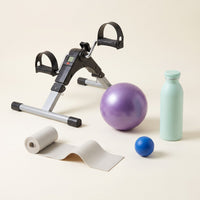
- Pedal while you sit. A simple way to keep your legs moving on days you can't get outside.
- Practise balance with support. Stand at the kitchen bench, hold on, and try standing with your feet closer together.
Our physio's take
The advice I give most often is simple: stay moving, in any way you can. Something is better than nothing. It's the simple stuff, done consistently over time, that keeps you going.
Patrick Sikombe, DPT, BSc
Physiotherapist & Founder
Tools that can help
You don't need equipment to get started. If you'd like some to make a home routine easier, these are pieces we use in our sessions:

The Complete Basics Kit
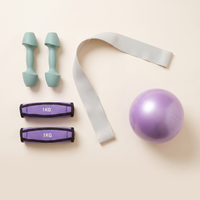
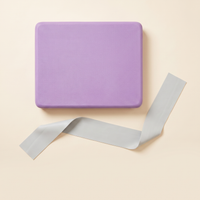
- The Complete Basics Kit ($289): mini exercise pedals, a resistance band, a balance pad and a grip ball, covering strength, mobility, balance and grip in one order. Suits anyone starting a routine at home. Skip it if you already own a band or pedals, and add only the pieces you're missing.
- Mini Exercise Pedals ($130): for keeping your legs moving from a chair or the couch.
- Long Resistance Band ($40): two metres long, and works from a chair, a doorframe or the floor.
Getting started safely
- Speak with your GP first, especially if you have a health condition or haven't been active for a while.
- Start small and build up gradually.
- Stop and seek advice if you feel pain, dizziness, chest discomfort or unusual shortness of breath.
- Wear supportive shoes and keep water nearby.
Where to find more help
- healthdirect: 1800 022 222
- My Aged Care: can connect you with local programs and support services
- Active and Healthy (NSW): a directory of activity programs for older adults
- Your local council: many offer low-cost activity programs
Keep reading
- Staying Steady at Home: 5 Practical Falls Prevention Tips
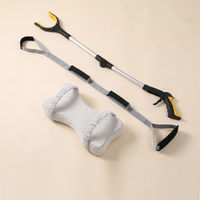
- What Is a Leg Lifter, and How Can It Help?
- Shop Strength & Movement
This article is general information only and is not a substitute for professional health or medical advice. Individual circumstances vary. Please speak with your GP or a qualified health professional before starting a new exercise routine or making changes to your health.