


Getting Out of a Chair More Easily: Three Simple Cues
Think about how many times a day you get up from somewhere. Out of bed. Off the toilet. Up from the dining chair, the couch, the car seat. It's one of the most common things we do, and most of us never think about it until it starts to feel harder.
Small changes in how you set up can make getting up feel steadier. Here are three simple cues to try.
Set up first
- Use a sturdy chair with arms. A dining chair with armrests is ideal.
- Push the chair back against a wall so it can't slide.
- Wear shoes that grip, or bare feet on a non-slip floor.
- If you use a walking stick or frame, keep it within reach, but don't push up on it.
Cue 1: Scoot forward
Sit towards the front of the chair, not right back in it. Shuffle forward a little at a time until you're sitting near the edge. The less distance you have to travel, the easier the next part is.
Cue 2: Feet back
Slide your feet a little behind your knees, about hip width apart. This puts your weight over your feet, which is where it needs to be when you stand.
Cue 3: Nose over toes
Put both hands on the armrests. Lean forward until your nose is roughly over your toes, then push through your hands and feet and stand up tall. Take a moment once you're up. There's no rush to start walking.
Sitting back down
Sitting down is the part people tend to rush. Back up until you feel the chair touch the back of your legs. Reach back for both armrests, then lower yourself slowly. Try not to drop into the chair.
Making it part of your day
Getting up from a chair is also a great exercise in its own right, because it uses the muscles you need for so many everyday jobs. You don't need to set aside special time. A few ideas:
- When an ad break comes on, stand up and sit down a few times using the three cues.
- Start with 5, and build up towards 10 when it feels easy. Rest whenever you need to.
- Go for a short walk around the house in between, with your walking aid if you use one.
- Quality matters more than speed. Slow and steady is the goal.
Our physio's take
Getting up from a chair is something we do all day, every day. Set the chair up well, use the three cues, and take your time. Little and often is an easy way to make it a habit.
Patrick Sikombe, DPT, BSc
Physiotherapist & Founder
Tools that can help
You don't need any equipment to practise this. If you'd like to build a little more strength from your chair:

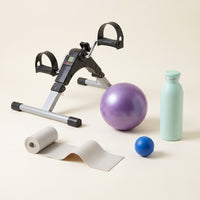
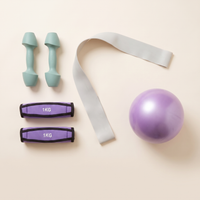
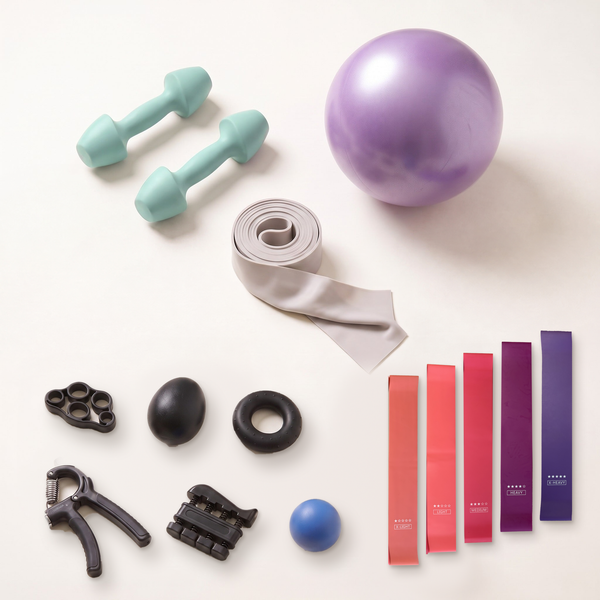
The Strength Kit
- The Strength Kit ($299): six pieces for arms, legs, middle and grip, all used seated, with a 22-page guide from our physio. Getting up from a chair is one of the 12 exercises, with Easy, Medium and Hard levels.
- Long Resistance Band ($40): seated leg and arm work, anchored under a foot or around a table leg.
General use items, not prescribed aids. If your physiotherapist or occupational therapist has recommended something specific, follow that first.
Getting started safely
- Speak with your GP or physio first, especially if you have a health condition, have had a recent operation, or haven't been active for a while.
- If you've had a hip or knee operation, follow the technique your surgical team or physio gave you.
- Stop and seek advice if you feel pain, dizziness, chest discomfort or unusual shortness of breath.
- If you feel unsteady, have someone with you while you practise.
Where to find more help
- healthdirect: 1800 022 222
- Active and Healthy (NSW): programs and a directory of activities for older adults
- My Aged Care: local programs and support services
Keep reading
- Be Kind to Yourself: It's Never Too Late to Start Moving Again
- Staying Steady at Home: 5 Practical Falls Prevention Tips
- Shop Strength & Movement
This article is general information only and is not a substitute for professional health or medical advice. Individual circumstances vary. Please speak with your GP or a qualified health professional before starting a new exercise routine.